
Receivership for Historically Significant Properties
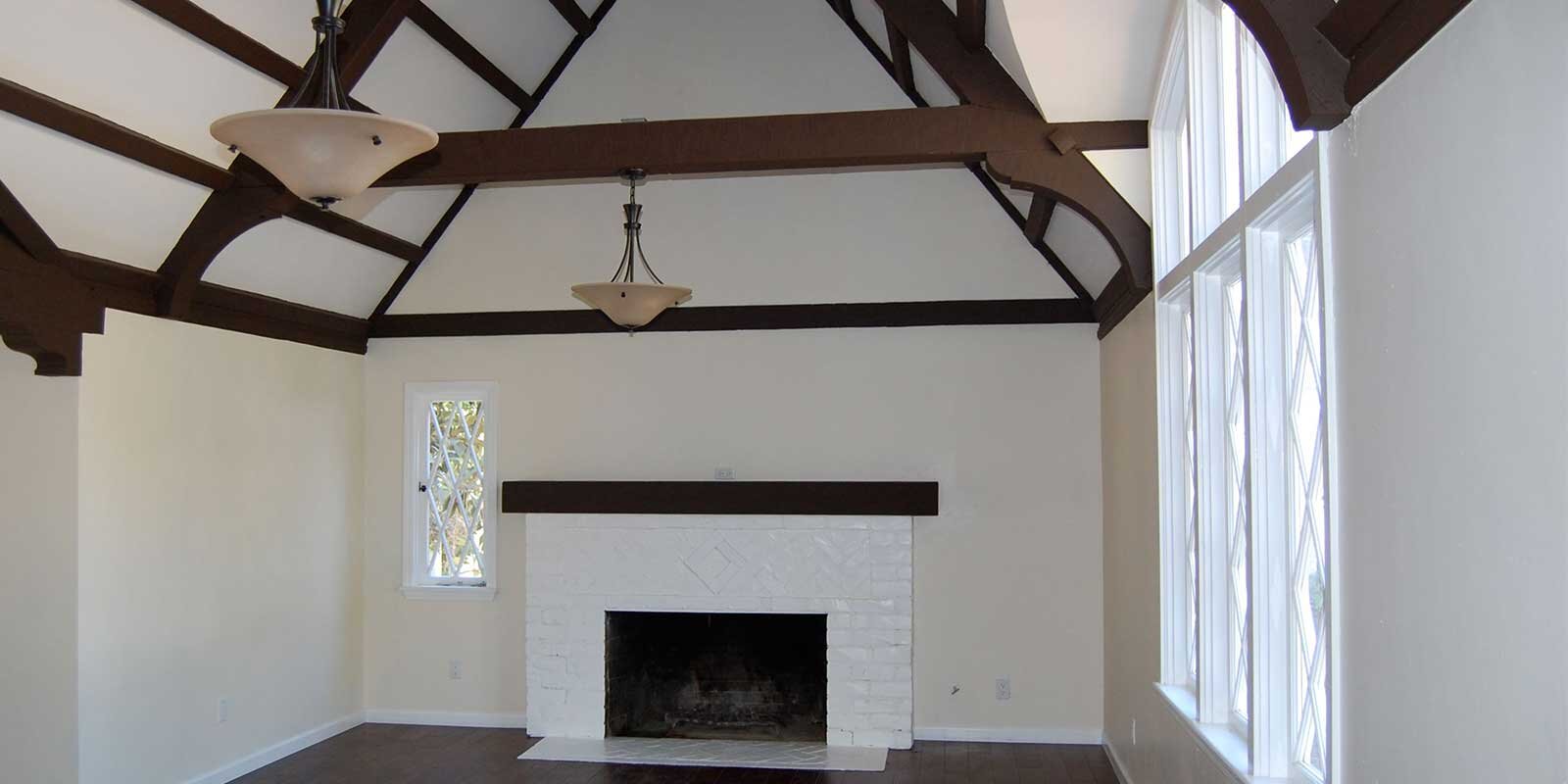
Health and safety receivership can offer an avenue to abate nuisance conditions at properties with historical significance. California Receivership Group is committed to restoring properties that have fallen into disrepair and ensuring that they are preserved for future generations.
How do historic properties fit into the 17980.7 world?
Receivership is a legal remedy for substandard properties under California Health and Safety Code § 17980.7.
In our experience, potentially historic buildings with nuisance conditions are dilapidated to the point of being blighted.
Historically significant buildings include those on national and local registers as well as those that are not officially recognized, but which have important architectural details, and/or have constituents advocating for their protection.
In our experience, the ownership and title of such properties is almost always a mess. Quiet title actions are expensive and can take years, but in a receivership, title can be quieted by the stroke of a judicial pen.
We believe that a nuisance property should pay its own cost of repair.
There are limits to the remedy since it’s challenging to completely "bring back" a historical property, but at a minimum receivership can be a catalyst to putting the property on a path to being revived.
See how we’ve helped restore historically significant properties through receivership.
Historically Significant Properties in Receivership


Sadly, ownership changed hands and the property fell into disrepair. Upon our appointment by a Superior Court Judge, we found the 62-room hotel to be very poorly maintained with guests living in extremely unsanitary conditions. Rooms were soiled, some lacked running water, part of the roof was wide open allowing pigeons to roost inside, the hotel was infested with pests, and there were multiple broken windows. The hotel didn’t just lack basic amenities, it was also dangerous. A ceiling had collapsed in the basement, dry rot and exposure to the elements had damaged the structural integrity, there were unpermitted and unsafe modifications to the building, and electrical and plumbing installations were shoddy.

Originally built over a century ago, poor maintenance left this beautiful, Folk Victorian style home in a state of extreme disrepair. After seven years of local code enforcement efforts to encourage the owners to act on fixing the hazardous issues onsite were unsuccessful, we were appointed as the Receiver by a Superior Court Judge. We found the property structurally unsound, with hoarding conditions inside the house, as well as a major rodent and insect infestation. Neighbors were plagued by foul odors emanating from the property and accumulated junk, as well as overgrown landscaping, littered the exterior of the property leaving an eyesore that partially blocked the public sidewalk. We determined that the best cause of action was to renovate this historic property and remove the dangerous conditions.

Once the pinnacle of its block, this property boasted exceptional craftsmanship and captivating grounds featuring trees bearing grapefruit, avocados, pecans, and oranges. But decades later, it had fallen into the hands of a compulsive hoarder whose mental illness included the acquisition of an estimated 40-80 cats that roamed the property; they used dirt in the basement as a litter box and the acrid smell proved overwhelming to inspectors. Even after initial cleanups, the stench permeated the property, particularly following rainfall that dampened the basement. The original builder’s niece, married at the property in 1972, burst into tears when she saw the extent of its demise.

A property deteriorated from an upscale establishment into a public nuisance. When the nuisance conditions were finally remedied, space was created for the property's redevelopment. While most would not have anticipated the decline of this once popular and prestigious establishment, the story is familiar to CRG. It shows just how effective health and safety receivership can be at remedying nuisance properties and initiating a ripple effect for revitalization efforts.

This severely dilapidated property was left in ruin. Lack of oversight allowed pigeons to literally take it over. Upon inspection, we found that the roof was rotting through and there was no protection from the elements for about one-third of the house, leaving it extremely unsanitary and dangerous to be inside. It appeared to have been at least 10 years since the property was inhabited, and potentially longer since any maintenance had been done. Indeed, the property was an eyesore that stood out in the quiet, well-maintained neighborhood. Less than half a mile from an elementary and middle school, the property was an attractive nuisance to children who may have been inclined to wander on to it.

As a result of poor maintenance and unlawful home renovations, where a beautiful American Craftsman style home had stood for decades, we were appointed as the Receiver of this property as it had fallen into significant disrepair. Broken, littered with trash, and the exterior space housing illegal trailers, the home was a sore point within its quiet, charming neighborhood. Constructed in 1913, one of the first homes built in the town, the degradation of the property was especially apparent given its location next door to the city’s historical society.

Built at the turn of the 20th century, this elegant 3-story hotel is on both the California and National Register of Historic Places. Once a hub for the community, the site of weddings, school proms, and the center of political gossip in the municipality, sadly this hotel has sat vacant and in various states of disrepair for over two decades.
