Fire Damaged and Collapsing: Rescuing a Ruined Property
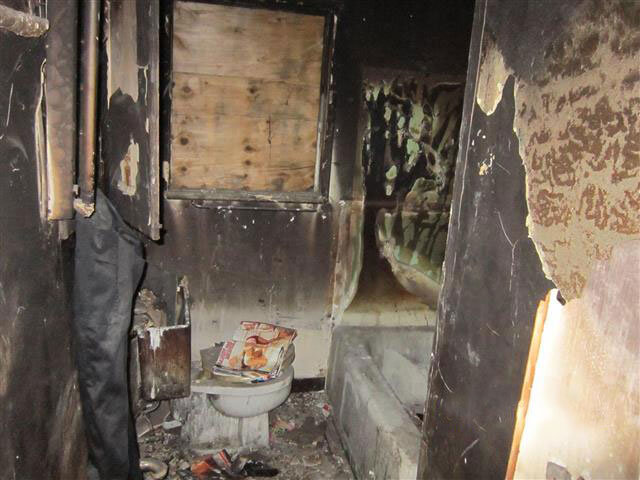
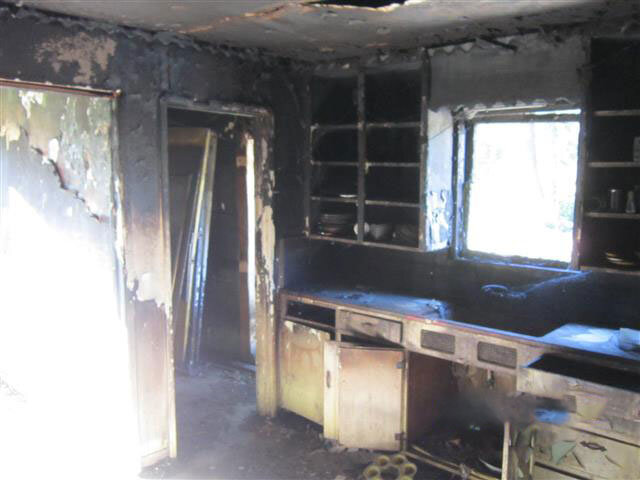
Over fifteen years of municipal code enforcement efforts yielded no results in gaining the owner’s compliance to remedy the issues afflicting this property. In fact, conditions only worsened as the home became the subject of a fire and multiple break-ins. Each time the house was broken into, it was the City who had to expend precious municipal resources to board up and secure the home. The fire made the property more dangerous and increased the likelihood that the structure would collapse. Nevertheless, transients continued to squat inside the house and it became a major source of crime and blight in the neighborhood.
Renovation Work Pays Off and Over $100,000 of Sale Proceeds are Disbursed to the Owner
A Superior Court Judge determined that appointing CRG as the Receiver was the only viable option to restore this property before someone was seriously injured or killed onsite. Municipal code enforcement inspectors found at least 80 violations of health and safety laws at the property prior to our appointment and it was in such bad shape that we seriously considered demolishing it. However, we determined that there was value in the property beyond the cost of construction and, as we were renovating another blighted property across the street, it could benefit from economies of scale with our contractor. We were able to completely overhaul the home and transform it from a burned-out shell to a desirable place to live. Eventually, we sold the property to a responsible buyer who is committed to maintaining it. After the renovation costs were paid, the sale of this property left the owner with over $100,000 of proceeds.
. . .
Related Health and Safety Receivership Projects
Add a description of me here, please!
In the 9 years prior to our appointment, local code enforcement tried to work with the owners of this motel to fix the 203 separate violations of state housing law onsite. There was a complete lack of maintenance of the property, demonstrated by the jet-black water in the swimming pool. The conditions at the motel were so severe that they actually sparked a fire. The fire caused considerable damage to a neighboring property, where it burned out and destroyed a business that had been operating at that location for over 35 years. This case is evidence of the significant danger that violations of municipal and state health and safety laws pose to the surrounding community.
Sadly, ownership changed hands and the property fell into disrepair. Upon our appointment by a Superior Court Judge, we found the 62-room hotel to be very poorly maintained with guests living in extremely unsanitary conditions. Rooms were soiled, some lacked running water, part of the roof was wide open allowing pigeons to roost inside, the hotel was infested with pests, and there were multiple broken windows. The hotel didn’t just lack basic amenities, it was also dangerous. A ceiling had collapsed in the basement, dry rot and exposure to the elements had damaged the structural integrity, there were unpermitted and unsafe modifications to the building, and electrical and plumbing installations were shoddy.
A property deteriorated from an upscale establishment into a public nuisance. When the nuisance conditions were finally remedied, space was created for the property's redevelopment. While most would not have anticipated the decline of this once popular and prestigious establishment, the story is familiar to CRG. It shows just how effective health and safety receivership can be at remedying nuisance properties and initiating a ripple effect for revitalization efforts.