A Blighted Property is Unrecognizable After a Health and Safety Receivership
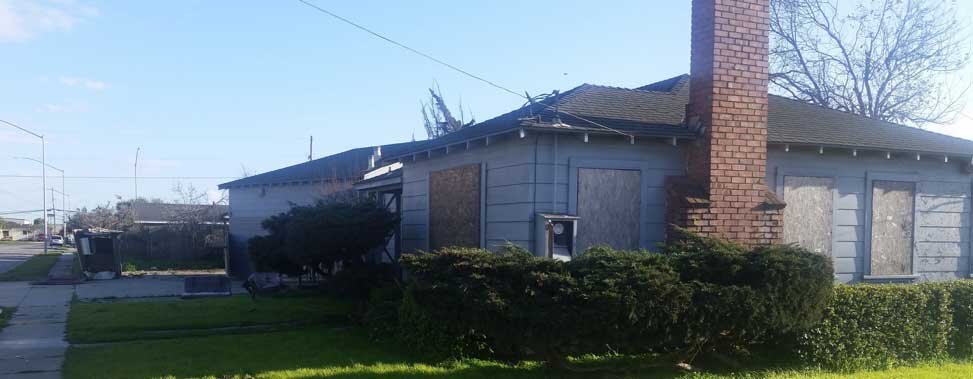
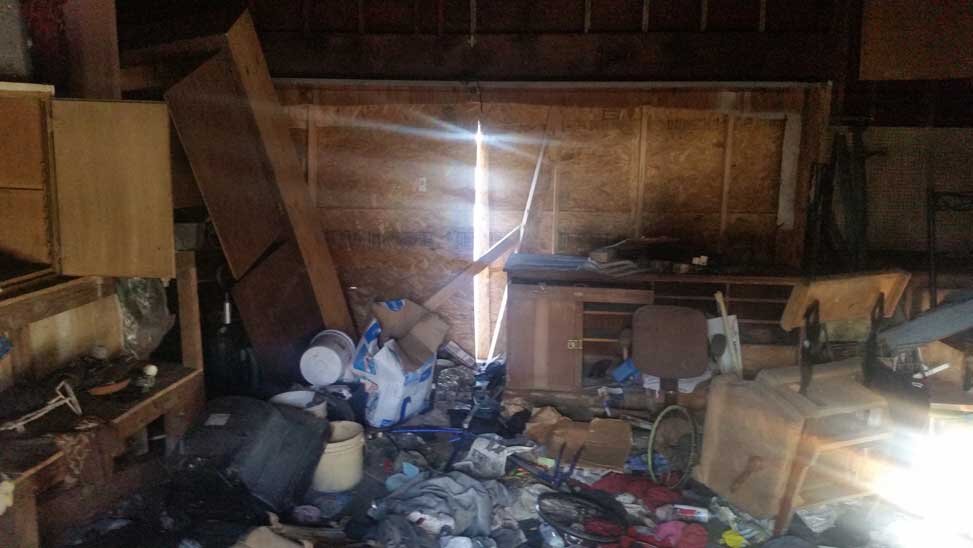
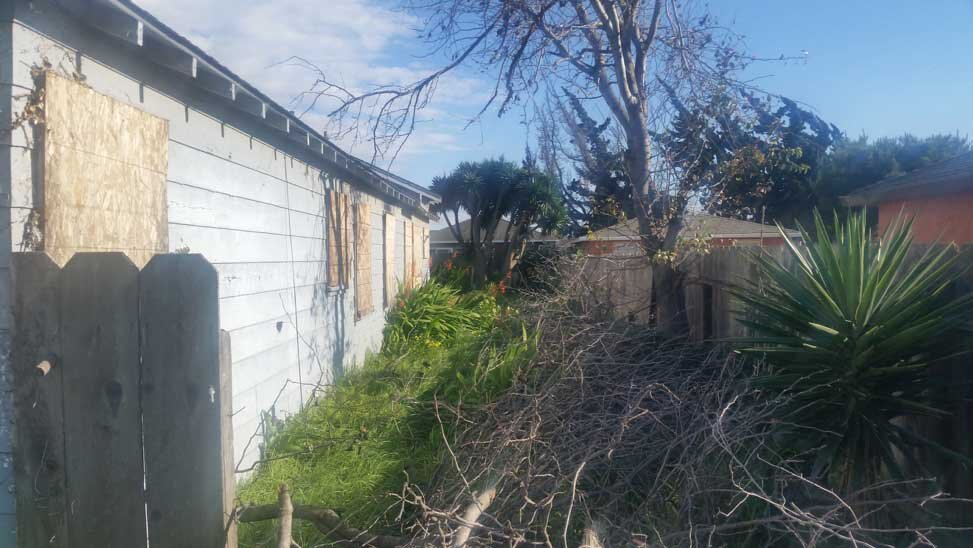
Fire damaged, structurally unsound, and at risk of collapsing, this property was in very poor condition when we were appointed as the Receiver and it was dangerous to be on-site. The structure was full of trash and infested with pests. It lacked basic amenities including electricity, heating, and running water. CRG was able to completely remodel the structure of this property and abate the numerous violations of municipal and state health and safety codes that were present.
Receivership Ensures the Future Upkeep of the Property Through a Sale to a Reliable Owner
Working with our team of licensed contractors, under the direction of the court, we renovated this property. The clean, modern home attracted a local teacher and her husband who were first-time buyers and committed to maintaining the property for years to come. This was a big win for the community and many neighbors expressed their satisfaction and relief.

. . .
Related Health and Safety Receivership Projects
A property deteriorated from an upscale establishment into a public nuisance. When the nuisance conditions were finally remedied, space was created for the property's redevelopment. While most would not have anticipated the decline of this once popular and prestigious establishment, the story is familiar to CRG. It shows just how effective health and safety receivership can be at remedying nuisance properties and initiating a ripple effect for revitalization efforts.
A quiet neighborhood was plagued by a property owner who was operating an illegal junkyard across 12 residential lots. Shipping containers and other debris were used to fence around some of the properties, partially concealing numerous items including inoperable vehicles, shopping carts, tires, old appliances, and scrap metal. The majority of lots were vacant, but one lot had a single-family home in poor condition on it where debris was stacked up against it and junk strewn throughout the exterior. Another lot contained a burned-out structure that was not fit for human habitation, but which was occupied in some capacity. In addition to these hazardous conditions, occupants had trailed extension cords through windows to get electricity from one area of the property to another.
After over two years of enforcement efforts to get the owner of this property to bring their home into compliance, the municipality red-tagged the house deeming it unfit for habitation due to the conditions onsite. Issues included no electricity or running water, piles of junk, evidence of pest infestation, human waste, unmaintained landscaping, and structural inadequacy.
When we were appointed to address the nuisance conditions at this property, we found that it had suffered extensive fire damage and was severely deteriorated. Structurally unsound, it had gaping holes in the floors, walls, and roof. The structural failure extended to the foundation and the building was partially collapsing in places, rendering it extremely hazardous to be onsite and unfit for habitation. Additionally, there was insufficient plumbing and no running water onsite. Piles of trash and debris were littered through the interior and exterior of the property. These included containers of decaying matter, clothing and used rags, sofas, mattresses, a boat, and a jet ski, as well as inoperable vehicles.